

Cost control focuses on keeping expenses within the budget limit, while cost management involves multiple processes, including resource planning, budgeting, and cost estimation. However, companies can use different cost-control methods to improve their cash flow and financial stability. Besides cost reduction, consider adding the following techniques to your cost control arsenal. Cost control can be tricky to implement, especially for companies without a clear budget or a spend management system. Here are some of the common challenges businesses face in the cost Car Dealership Accounting control process, along with solutions to tackle them. Cost control is keeping track of the actual cost of your business expenses, comparing them to your budgeting process, and then cutting costs to increase profits by using specific strategies and solutions.
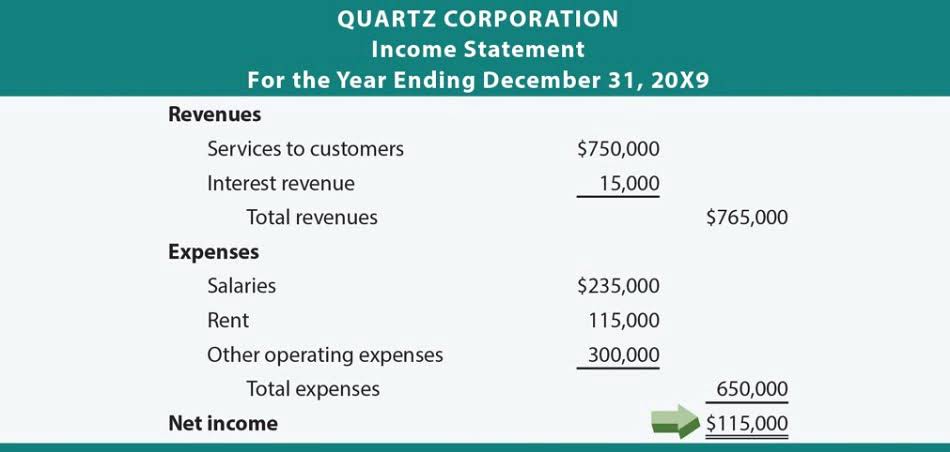
• Growing Expenses of Cost Control

Volopay offers corporate cards that can be set with custom spending limits for each employee. This feature prevents overspending, enhances financial discipline, and ensures adherence to budgetary constraints. Cost analysis serves as a diagnostic tool, revealing the fundamental factors influencing expenditures.
Difference Between Cost Control and Cost Reduction
But the business units developing legacy products weren’t willing to reduce their pipeline to offset the needed investment. Rather than shifting budget and positions to unearned revenue the new priorities, the company added significant headcount spend. Construction managers rely on real-time monitoring tools to identify discrepancies early.
Sustainability-centric approaches

Cost control software includes specialized features within ERP systems for a smart shop floor application using IoT sensors (Internet of Things), machine learning, and artificial intelligence software. Download our white paper, “The Holy Grail of Accounts Payable” to learn how your business can better control its accounts payable-related costs. While not always accurate (installation time may be shorter the more units you install at a time, for example), unit-rate will always be a tool on the table of any cost engineer. It may seem obvious, but simply extrapolating the entire cost by using a smaller unit of cost as a benchmark is an effective method.
- FAA is responsible for the safety and efficiency of more than 45,000 flights daily.
- Earned Value Management (EVM) is a project management technique that integrates cost, schedule, and performance data.
- Examples of cost control include implementing efficient procurement practices, optimizing resource allocation, reducing waste, and enforcing expense policies.
- Cost analysis serves as a diagnostic tool, revealing the fundamental factors influencing expenditures.
- For example, while employees have a monthly salary, they may receive a sales commission based on their performance.
- By controlling your actual costs, you can increase your profitability and ensure that your business or personal finances are sustainable in the long term.
Automate your expense approval process
- This results in improved visual quality compared to CBR and reduces bandwidth during simpler moments, such as close-up commentary.
- For instance, substituting materials with cost-effective options or adopting innovative construction techniques can improve efficiency while reducing expenses.
- Implementing cost reduction measures may introduce new risks, such as compromising product quality or supplier reliability.
- Deviation analysis involves regularly comparing planned costs to actual expenditures.
- This is a process that needs constant monitoring, but there are steps that you can implement before the project begins to set the stage for controlling costs.
- It helps evaluate cost management effectiveness by identifying if the actual costs are over or under the budgeted amounts.
Having an expense management system that tracks expenses across the organization can help you generate important financial documents and also add to your company’s fiscal oversight. The practice of actively minimizing expenses requires a holistic approach and strategic mindset. It cost control involves scrutinizing each cost component, negotiating favorable deals with suppliers, and seeking operational efficiencies.
Definition of Cost Control
Unforeseen challenges, such as fluctuating material prices or delays, are inherent in construction. Proactively identifying and addressing potential risks reduces their impact on the budget and timeline. In an industry as competitive as construction, firms known for delivering cost-efficient projects gain a significant advantage. Cost control strengthens a company’s reputation and helps secure future opportunities. Cost control is a systematic process that ensures a project’s expenses remain within the approved budget while achieving desired quality and objectives. Challenge employees throughout the company to identify ways the business can save time or money.
- And if you want to make the most of your employee data, you can leverage our all-in-one workforce management platform to control costs, onboard employees, provision work devices—and so much more.
- Its decentralized and secure nature will enhance accountability, reduce the potential for fraud, and ensure a high level of transparency in financial dealings.
- To address this issue, companies need to revamp the operating model and governance processes to make it easier to shift resources to higher-priority areas.
- These cost control software solutions can empower organizations to proactively manage expenses, reduce wasteful spending, and achieve greater financial efficiency.
The software should help you perform a post-project evaluation of actual expenditures resulting in total cost vs. budget and benchmarks with similar projects and competitors. Cost control reduces costs and expenses by managing budget vs. actual variances by cost center, profit center, department, or project and taking corrective action. By implementing these best practices, organizations can enhance their cost control efforts, optimize resource allocation, and achieve sustainable financial performance. By establishing financial controls you can ensure budgetary guidelines are followed, this in turn will prevent overspending.